
Introduction
When I first started building products, I thought the hardest decisions would be around design, features, or choosing the right tech stack.
But I was wrong.
One of the most important decisions I had to make and one that quietly affects everything was pricing.
More specifically:
Should I charge users once, or should I build a subscription-based product?
At first, it sounds like a simple business decision. But over time, I realized this choice shapes not just your revenue, but also your product strategy, user behavior, and even how you think as a founder.
Let me break this down in a way I wish someone had explained to me earlier.
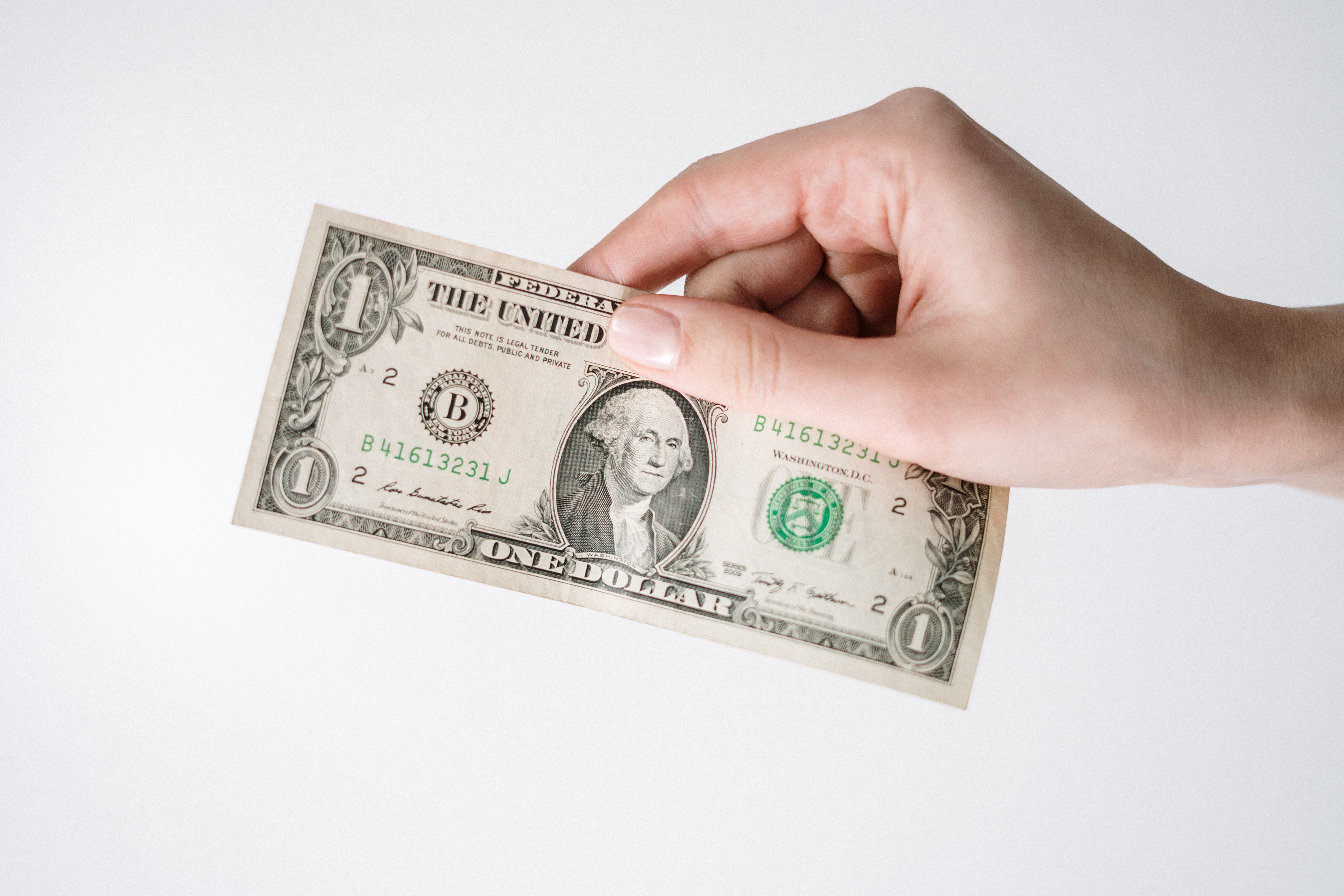
The One-Time Payment Model
This is the most straightforward approach.
Users pay once and get lifetime access to your product.
Why it feels attractive (especially in the beginning)
When I launched my early products, I naturally leaned toward one-time payments. And honestly, there are good reasons for that:
- It’s extremely easy to explain and sell
- “Pay once, use forever” removes hesitation
- You get immediate cash flow
- No pressure to constantly justify ongoing costs
For new founders, this model can be powerful because it reduces friction. Users don’t overthink the purchase, and you can start generating revenue quickly.
The reality that hits later
What I didn’t fully understand at the beginning was what happens after the initial sales:
- Revenue becomes inconsistent
- Growth depends entirely on acquiring new users
- Existing users stop contributing financially
- Scaling becomes difficult without predictable income
At one point, I realized I was stuck in a cycle:
build → launch → sell → repeat
Not because I wanted to grow, but because I had to survive.
And that’s a very different kind of pressure.
The Subscription Model
With subscriptions, users pay monthly or yearly to continue using your product.
Initially, I resisted this model. I kept thinking:
“Why would someone keep paying for this every month?”
But once I tested it, my perspective completely changed.
What makes subscriptions powerful
- Predictable and recurring revenue
- Better financial planning and forecasting
- Higher lifetime value per user
- More confidence to invest in growth, marketing, and infrastructure
Instead of waking up every day thinking,
“How do I make money today?”
You start thinking,
“How do I keep users satisfied next month?”
That shift alone changes how you build products.
You start focusing more on retention, experience, and long-term value rather than quick wins.
The Hidden Trade-Off Most People Ignore
Here’s the honest truth:
- Subscriptions are harder to justify
- One-time payments are harder to sustain
With subscriptions:
- Users expect continuous value
- You need to ship updates regularly
- Support becomes critical
- Churn becomes your biggest enemy
If users stop seeing value, they cancel immediately. There’s no forgiveness.
With one-time payments:
- Users expect less ongoing improvement
- But your business relies heavily on constant acquisition
- Growth becomes more like a treadmill than a flywheel
So this decision isn’t about which model is “better.”
It’s about what kind of business you want to build and what kind of pressure you want to deal with.
When One-Time Payment Makes Sense
From what I’ve seen and experienced, this model works best when:
- Your product solves a specific, one-time problem
- It doesn’t require frequent updates
- There are minimal ongoing costs
- You want fast adoption with low friction
Common examples:
- Small utility tools
- Generators (text, images, formatting tools)
- Niche apps with a single clear purpose
If users don’t need your product regularly, forcing a subscription can actually reduce trust and hurt conversions.

When Subscription Is the Better Choice
Subscriptions make more sense when:
- Your product delivers ongoing or evolving value
- Users depend on it regularly
- You have continuous costs (servers, APIs, AI models, etc.)
- You’re thinking long-term, not just launch revenue
Common examples:
- SaaS platforms
- AI-powered tools
- Content or learning platforms
- Productivity and workflow apps
In these cases, users don’t feel like they’re “paying again.”
They feel like they’re continuing access to something valuable.
A Layer Most Founders Miss: User Psychology
One thing I learned over time is that pricing isn’t just financial it’s psychological.
- One-time payments feel like ownership
- Subscriptions feel like commitment
Some users avoid subscriptions completely, even if the price is low. Others prefer subscriptions because they don’t want a large upfront cost.
Also:
- A $10/month plan often converts better than a $100 one-time fee
- But a $50 one-time deal can outperform a $5/month subscription for simple tools
It’s not always logical. It’s about how users perceive value over time.
The Hybrid Model (What I Prefer Now)
After experimenting with both models, I stopped thinking in extremes.
The most effective approach I’ve found is a hybrid model:
- Free plan → to attract users
- Subscription → for serious or power users
- One-time purchases → for add-ons, credits, or upgrades
Why this works well:
- Users can try without risk
- You reduce entry barriers
- Power users generate recurring revenue
- Casual users still contribute through one-time purchases
This approach gives flexibility and aligns with different types of users instead of forcing everyone into the same model.
A Simple Way to Decide
If you’re stuck, ask yourself one question:
“Will users get value from this every month?”
- If the answer is no → go with one-time payment
- If the answer is yes → go with subscription
- If the answer is somewhere in between → use a hybrid model
This one question alone can save you months of confusion.
Final Thought
Early on, I thought pricing was just about revenue.
Now I see it as a foundation.
Your pricing model defines:
- How you build your product
- How you interact with users
- How your business grows over time
So don’t just pick what sounds attractive or trendy.
Pick what aligns with the kind of product you’re building and the kind of company you actually want to run.
Because in the long run, pricing isn’t just about how users pay.
It’s about how your entire business operates.
Post a Comment