
Introduction

The Power of Color
Color is more than decoration. It’s a language of emotion and psychology. Different colors evoke different feelings, and understanding this language is critical. Blue often conveys trust, reliability, and professionalism think of banks, tech tools, and SaaS products. Red signals urgency, excitement, or action, which is why it’s used in clearance sales, alerts, and calls to action. Green evokes growth, balance, and health, often seen in eco-friendly products or wellness apps. Yellow can bring warmth and optimism, while purple can feel luxurious or creative.
Early on, I experimented with color palettes without much thought. I picked vibrant shades because they looked “cool,” but users kept dropping off. It wasn’t until I studied color psychology and user expectations that I understood why: the palette didn’t match the feeling I wanted to convey. Once I switched to colors aligned with the product’s purpose, engagement improved noticeably. Users stayed longer, clicked more, and even left more positive feedback.
Color also affects usability. Contrast, for example, influences readability and user comfort. A low-contrast button or text may look stylish but frustrates users and increases drop-offs. Accessibility is another critical factor. I learned to always test colors to ensure that everyone including users with color vision deficiencies could interact comfortably. Tools like contrast checkers became part of my workflow, helping me balance aesthetic appeal with practical usability.
Typography Tells Your Story
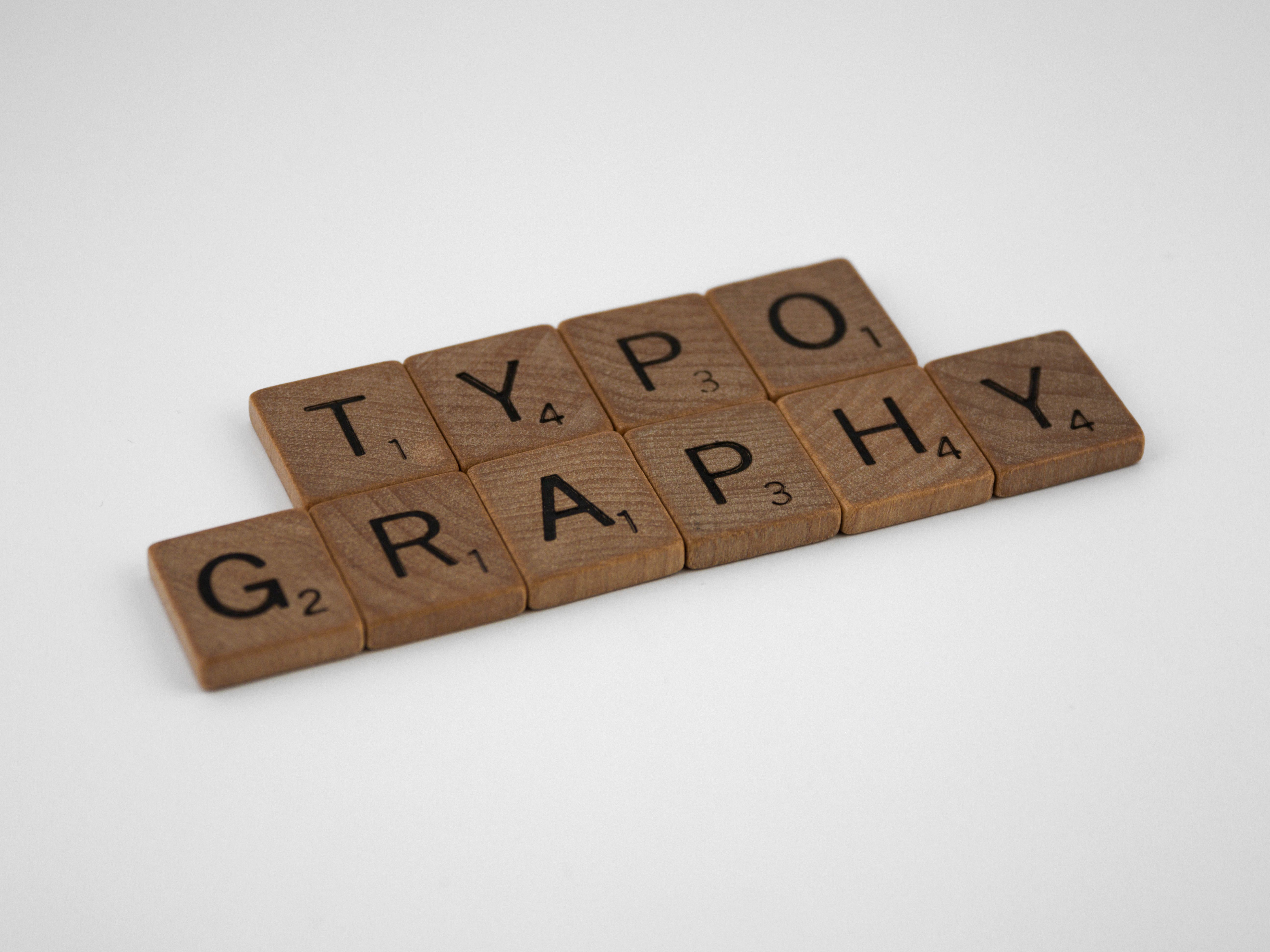
Typography isn’t just about picking a pretty font it’s about conveying tone and personality. Serif fonts often feel formal, traditional, and trustworthy, while sans-serif fonts appear modern, clean, and approachable. Script or handwritten fonts can convey creativity or personalization, but overuse can hurt readability and user experience.
I remember designing a landing page for a project and choosing a highly decorative font for headlines. It looked amazing on my screen, but analytics told a different story: users were bouncing faster than usual. The font was difficult to read, especially on mobile devices, and the content wasn’t getting the attention it deserved. Switching to a clean, readable font while keeping subtle stylistic accents improved engagement dramatically. That experience taught me that typography sets expectations it communicates whether your product is serious, playful, professional, or casual before the user even reads a single word.
Typography also contributes to hierarchy and focus. Font size, weight, spacing, and line height guide the user’s eye and help them understand what’s important. Small adjustments, like increasing line spacing for long paragraphs or bolding key points, can significantly improve comprehension and retention. Over time, I realized typography is less about style alone and more about clarity, rhythm, and storytelling.
Combining Color and Typography
The real impact emerges when color and typography work in harmony. A bold, modern font paired with muted, trustworthy colors can make a product feel innovative yet reliable. Bright, playful colors combined with rounded, friendly fonts convey accessibility and fun. It’s not about using the “trendiest” options it’s about crafting a cohesive visual voice that resonates with your audience.
During one of my product redesigns, I applied these principles deliberately. I chose a calm blue for the primary interface, paired with a modern sans-serif font. The product instantly felt more trustworthy without losing energy. Users commented that it looked professional yet approachable, and engagement metrics improved. That experience reinforced something I now consider a rule: design communicates values and personality even before a user reads a single word.
Testing and Iteration
Even with research and intuition, testing is irreplaceable. A color or font that works for one audience may fail with another. I usually run A/B tests with different color schemes, font styles, and button designs to see which combination resonates most. Sometimes, small tweaks like adjusting font weight, spacing, or button color can make a bigger difference than a full redesign.
User feedback is equally important. Observing behavior, conducting surveys, and reading comments provide insights that analytics alone can’t capture. Iteration based on these insights ensures your design choices are validated by real-world use, not just personal preference.
Key Takeaways from Experience
- Think beyond aesthetics: Color and typography influence trust, emotion, and usability. They communicate your product’s personality even before content does.
- Match your message: Ensure your design reflects the tone, purpose, and audience of your product.
- Prioritize readability and accessibility: Fonts and colors are only effective if users can comfortably read and interact with them.
- Test everything: Iteration, A/B testing, and user feedback are essential to understand what truly resonates.
In the end, the way your product looks isn’t just “design.” Each font choice and color decision is a subtle message to your users. When chosen thoughtfully, they not only make your product look good but also feel right. Over time, these small details create trust, guide behavior, and make your product memorable long after users leave your interface.
Conclusion
Color and typography are far more than visual decoration they are powerful tools that shape how users perceive, feel, and interact with your product. Thoughtful choices in these areas can build trust, guide attention, and create a lasting impression. Conversely, neglecting them can confuse users, reduce engagement, and undermine your product’s credibility.
The key is intentionality: understand the emotions and messages you want to convey, match them with the right colors and fonts, and always test with real users. When done right, these design elements don’t just make your product look good they make it feel right, communicate your values, and leave users with a sense of connection and confidence in what you’ve created.
Post a Comment